
Frequently Asked Questions
Clear answers for homeowners, businesses, and property managers—and if you’re unsure, we’ll talk it through.
⭐ 5-Star Rated | 25+ Years Experience | Residential & Commercial | Serving Chicagoland & Northwest Suburbs
Quick Help—Choose the Right Service
Use this quick guide to find the best starting point (or call, and we’ll route you correctly):
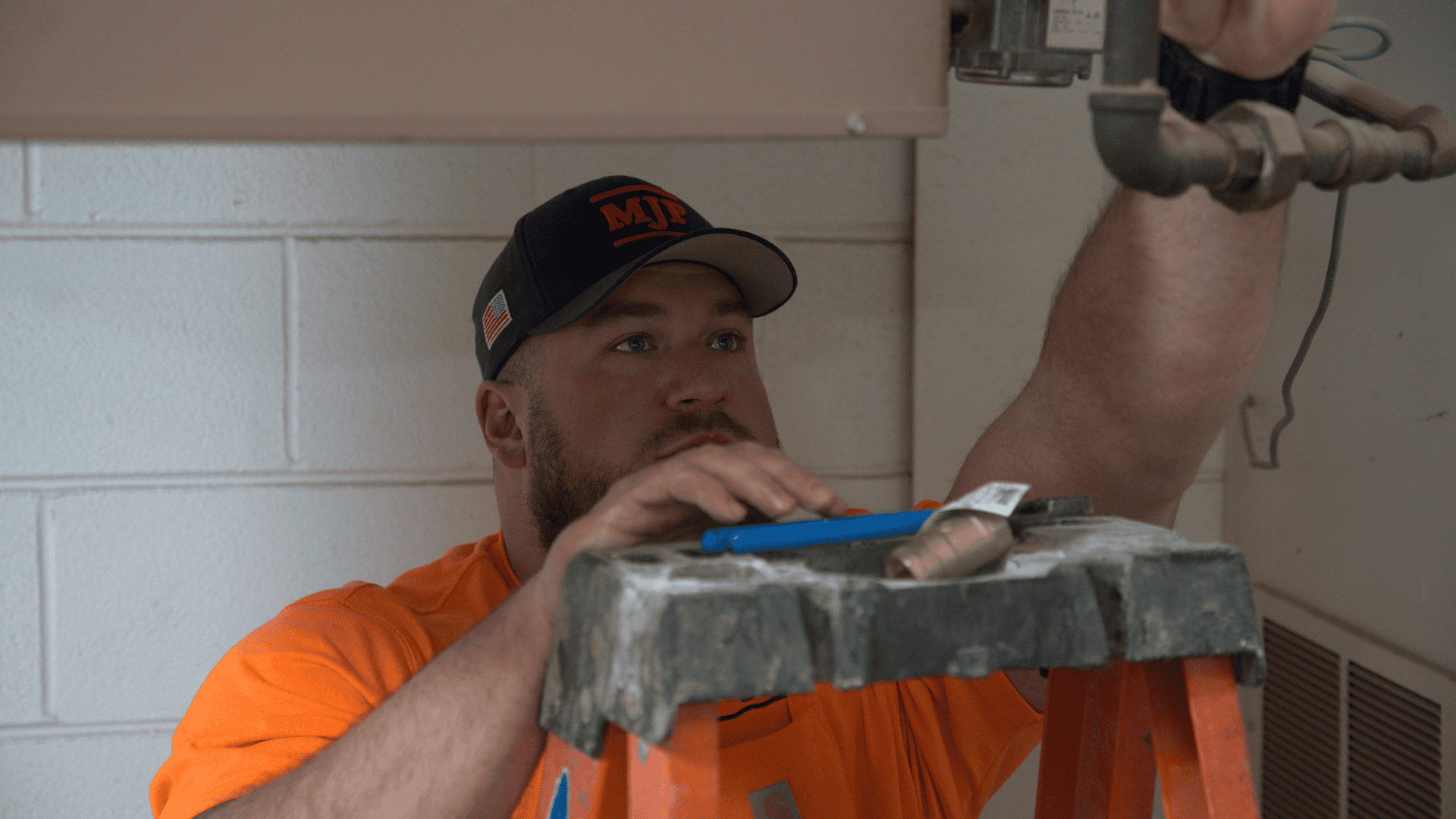
Leaks, fixtures, general plumbing
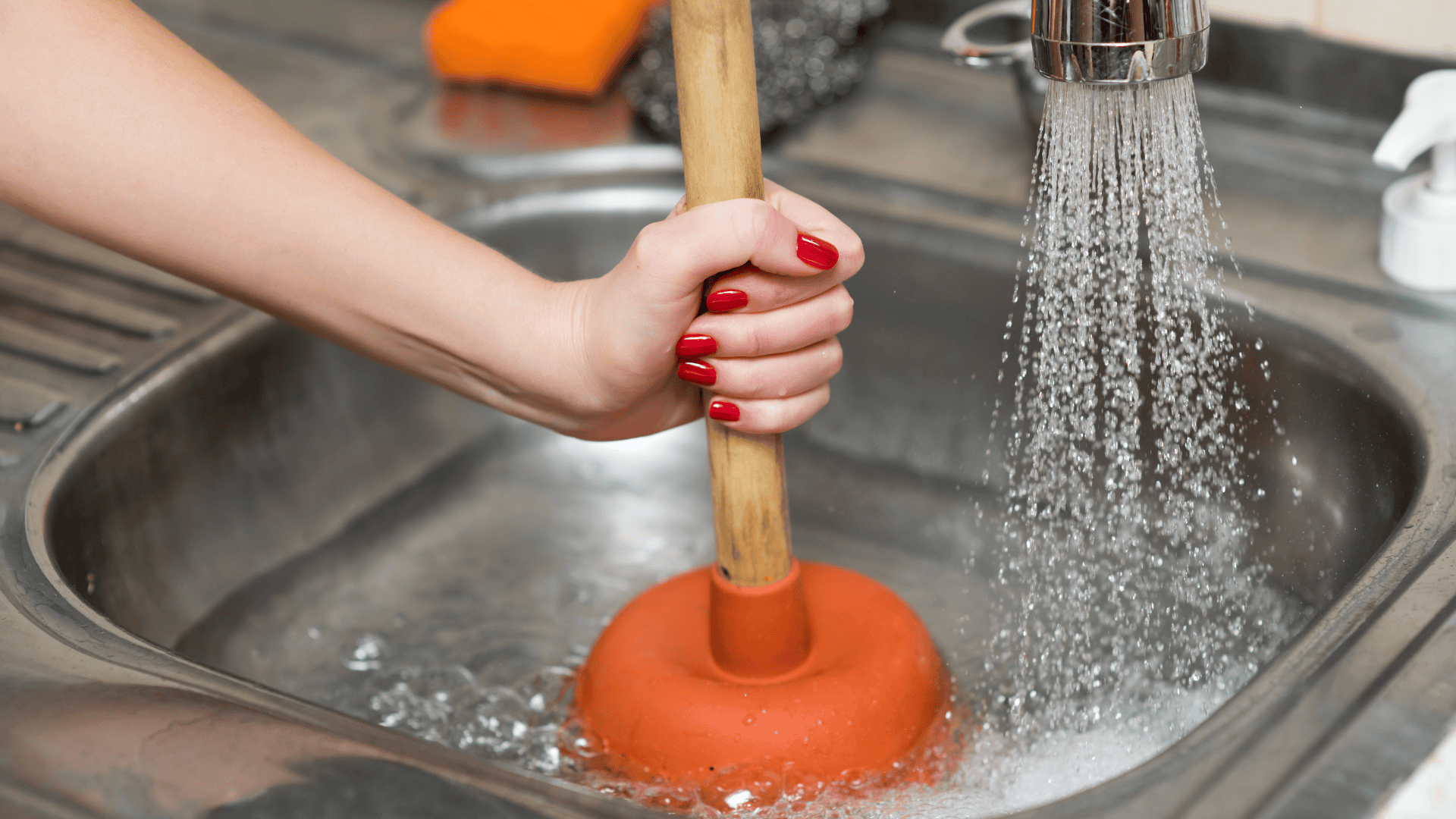
Slow drains / recurring clogs

Sump pump concerns
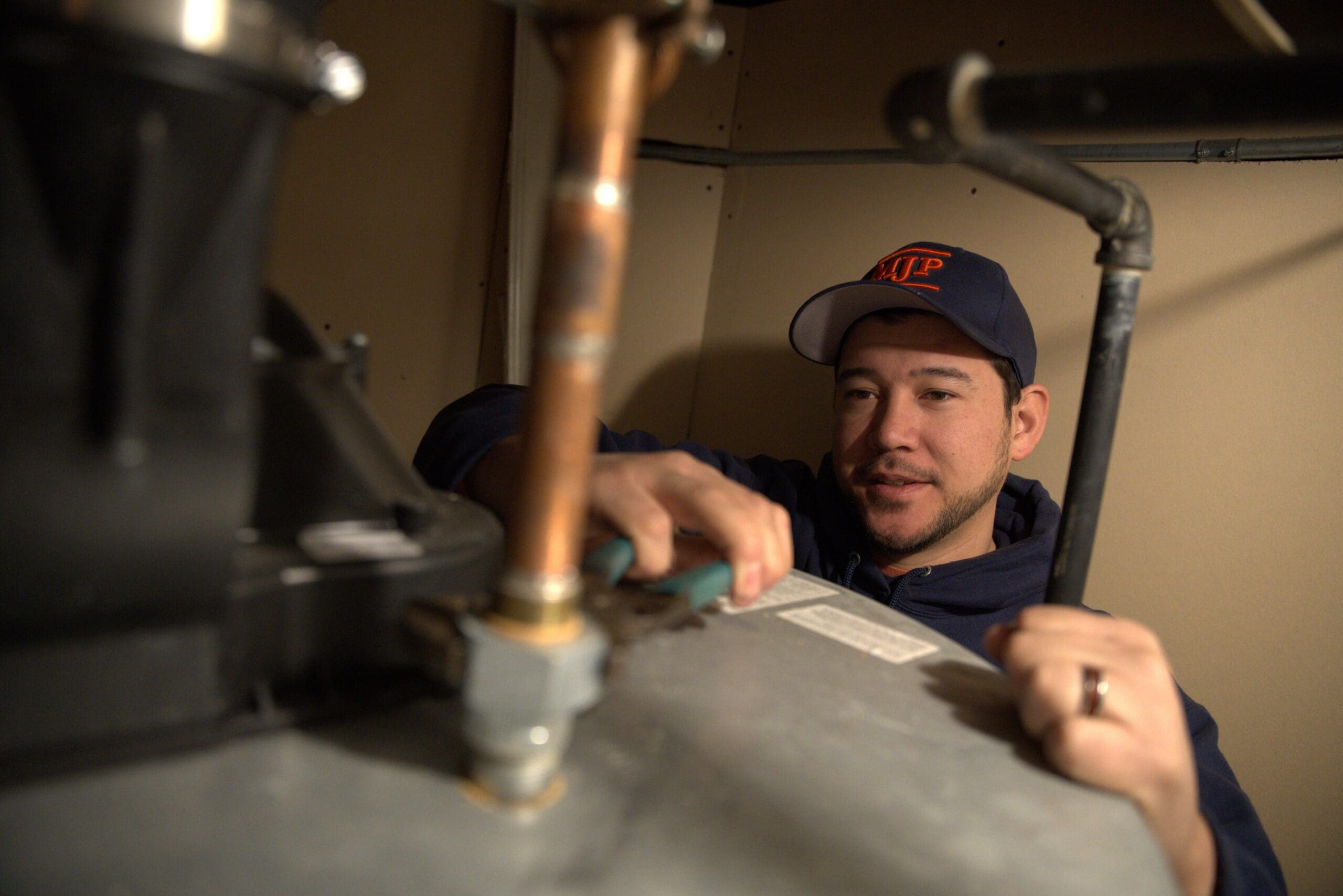
Hot Water Issues
How do I know if a plumbing issue is serious?
If the problem is recurring, affecting multiple fixtures, or involves visible leaks, pressure changes, or water where it shouldn’t be, it’s worth calling. We’ll help you understand what you’re seeing and recommend the right next step.
When is DIY okay—and when should I call?
Simple, low-risk fixes can be fine, but recurring issues, leaks, or anything that could cause water damage is a good reason to call. If you’re unsure, describe the symptom, and we’ll talk it through.
Why is my water pressure low?
Low pressure can be caused by fixture issues, buildup, or a system-wide condition. If it’s happening in multiple areas or came on suddenly, it’s worth a closer look. Plumbing Services →
What causes repeat problems?
Usually, the symptom gets treated, but the root cause doesn’t—buildup, aging components, or a deeper restriction. We focus on diagnosing the true cause so the fix actually lasts.
Sewer & Drain
What causes recurring clogs?
Recurring clogs often indicate buildup or a deeper restriction that isn’t fully resolved. If the same drain keeps slowing down, it’s time to investigate more clearly.
Why are multiple drains slow?
When multiple drains are slow at once, the issue can be beyond a single fixture and may involve a shared line. Getting the right diagnosis early can prevent repeat backups.
What does gurgling mean?
Gurgling often means trapped air from a blockage or venting issue—basically, flow isn’t normal. If it repeats or comes with slow draining or odors, it’s worth a check.
Sump Pumps
How often should it be checked?
Before heavy rain seasons and periodically through the year—especially if the system is older or you’ve noticed cycling changes. A quick check can prevent surprises.
Why does it run constantly?
Constant running can come from groundwater conditions, a switch issue, discharge problems, or setup concerns. If you’re noticing frequent cycling, it’s worth a reliability check.
Do I need a backup?
Sometimes. It depends on your home, the risk profile, and how critical reliability is during storms. We can explain options clearly so you can choose what makes sense.
WATER HEATers
How long do they last?
It depends on usage and maintenance, but performance changes and visible wear are often more important than age alone. We can assess the condition and help you plan the next steps.
Repair or replace?
If problems are recurring or the system shows signs of significant wear, replacement can be the smarter long-term option. We’ll walk you through repair vs. replace with clear expectations.
Why does hot water run out quickly?
It can be capacity, component wear, sediment, or a performance issue. A clear evaluation will pinpoint the cause and the best fix.
Scheduling & Service Area
Do you serve my area?
We serve Chicagoland and the Northwest Suburbs. If you don’t see your suburb listed, reach out—we often serve nearby communities.
What if I'm not sure what I need?
That’s common. Describe what you’re noticing (where it’s happening and when it started), and we’ll help route you to the right service.